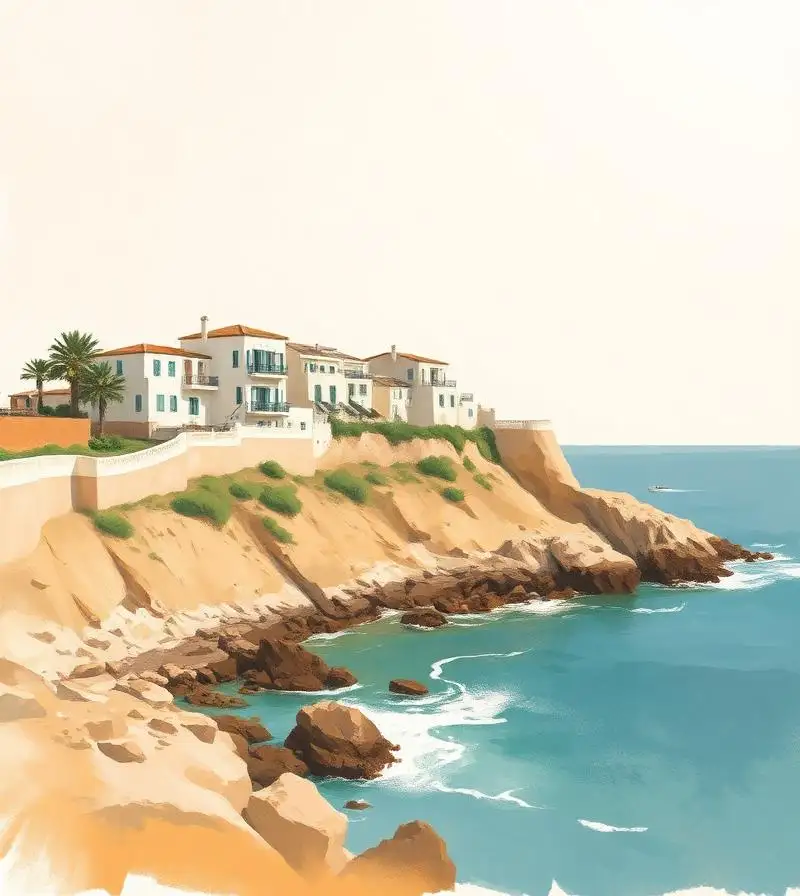
Isla Plana-Los Puertos
190.000 - 450.000 €Indicative guide pricesIt is priced above the municipal asking figure.
MediterraneanCoastal
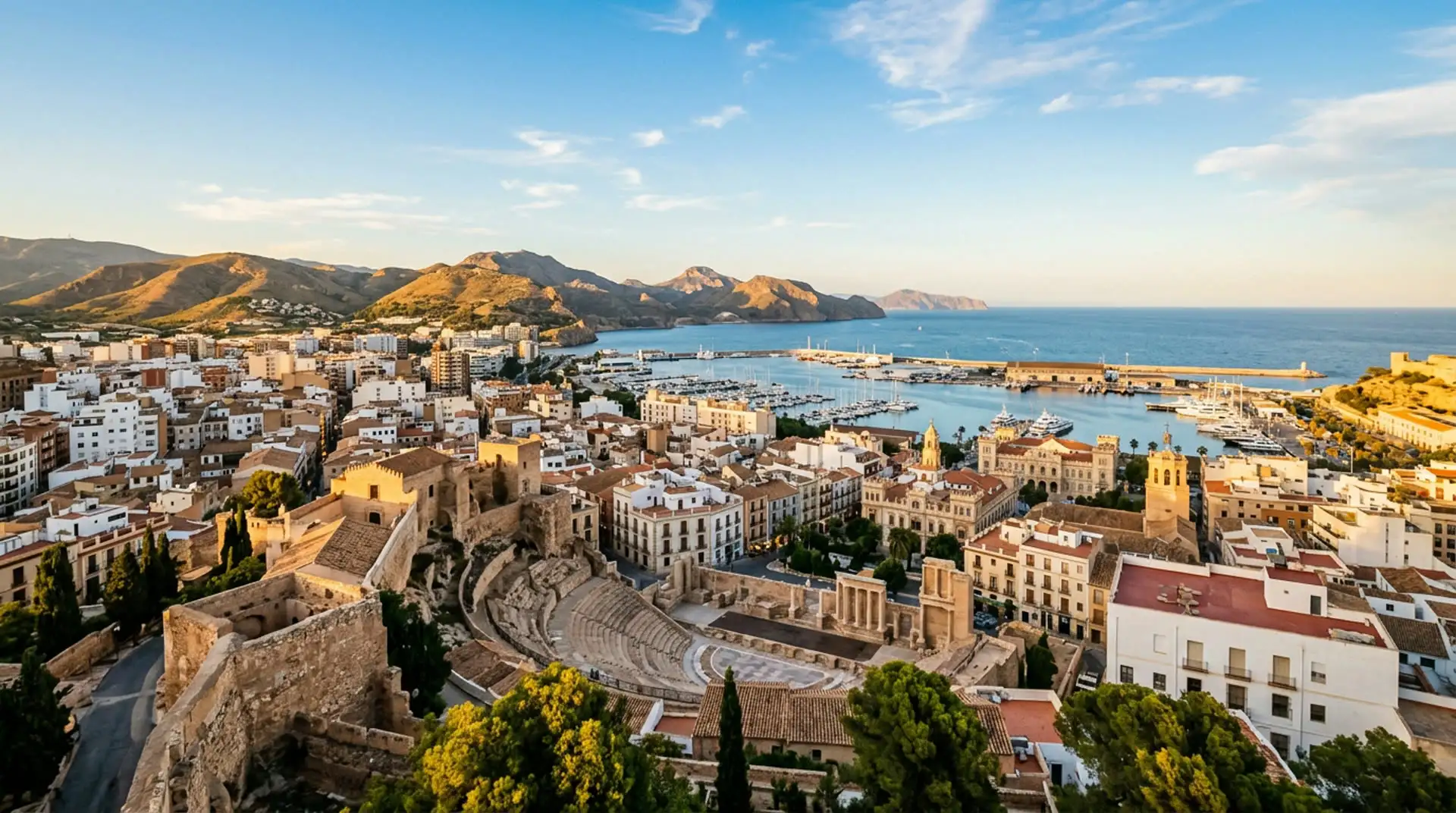
Cartagena is a working port and naval city with a Roman theatre at its centre, and it is not a resort. Buyers arriving from a Costa Blanca search should adjust early: this is a city of shipyards, museums and military history that happens to own two coastlines, a Mediterranean shore at Isla Plana and Cabo de Palos and a stretch of the Mar Menor lagoon at Los Urrutias and Mar de Cristal.
The municipality counted about 220,000 residents at the January 2025 padron, but the urban core held only around 55,000 at the 2024 annual census. The rest live scattered across outlying districts, so an address in Cartagena can sit a long way from the city. At that same 2024 census about one in nine residents were foreign nationals, and Africa was the largest continental group, more than twice the European count. This is not a British enclave.
Asking prices across the municipality rose by more than a tenth in the year to July 2026, but the average hides an awkward spread. Only six of eighteen listed districts carry a published price, two of those fell over the year, and the fastest riser, Los Urrutias, sits on a lagoon with a documented history of ecological collapse. Read the environmental record before the price chart.
The verdict
The upside is real. So is the downside. Both matter more than any brochure will admit.
Two public reference hospitals inside the city
Cartagena anchors health Area II through the Complejo Hospitalario Universitario Cartagena, comprising Hospital General Universitario Santa Lucia and Santa Maria del Rosell, both in the city. Several nearby coastal towns rely on hospitals elsewhere.
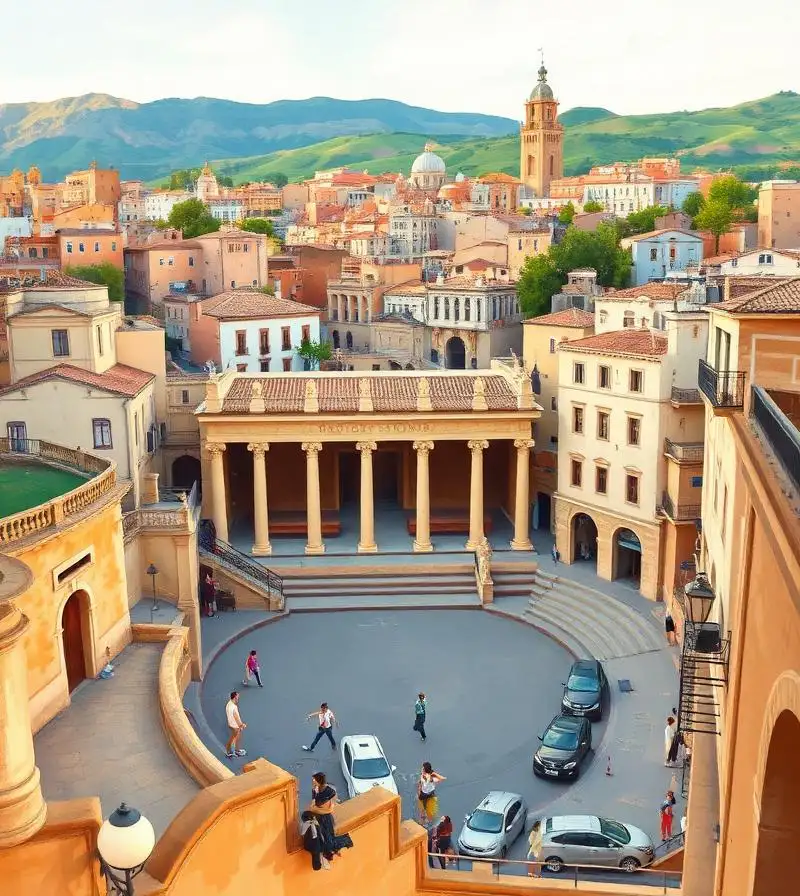
A Roman theatre with a Moneo museum
The Museo del Teatro Romano was designed by Rafael Moneo and routes visitors through its galleries into the excavated theatre itself, which serves as the final room. The official site publishes no visitor figures.
Toll-free motorway links inland and along the coast
The RM-2 autovia connects the A-7 at Alhama with the A-30 at Torre Pacheco, and the RM-332 heads towards Lorca and Águilas. All are toll-free; only the AP-7 towards Alicante carries a toll.
Long distance and regional trains, unlike its neighbours
Renfe lists Larga Distancia and Media Distancia services at Cartagena station, with regional trains to Murcia, Albacete and Valencia. Mazarrón has no station at all, and the Águilas Cercanías line has run by road since October 2021.
A complete school system, not a holiday annexe
More than forty four thousand pupils were enrolled from infant to vocational level in the 2022 to 2023 year, across public and private centres. This is a year-round city, not a seasonal resort economy.
The Mar Menor has a documented collapse history
Eutrophication destroyed more than four fifths of the lagoon's seagrass in 2016, then killed fish and invertebrates en masse in 2019 and 2021. Bathing waters passed official tests in August 2026, but ecological recovery is a different test and no official source yet claims it.
Two districts are falling while price data stays thin
Only six of eighteen listed districts carry a published asking price, and two of them, Perín and Canteras, fell year on year to July 2026. The municipal average conceals divergent local markets.
No Cercanías brand, but Proximidad trains to Murcia
The region's two Cercanías lines run Murcia to Alicante and Murcia to Águilas, and Cartagena is on neither. It does have regular Proximidad trains to Murcia, alongside long distance and regional services, and we could not source frequencies or journey times.
No weather station here publishes climate normals
AEMET lists three stations with published normals in the whole region, none of them in Cartagena. The nearest is San Javier airport on the Mar Menor, a different microclimate at a different location, so we print no borrowed climate table.
The municipality is much larger than the city
The municipality counted about 220,000 residents at the January 2025 padron, but the urban core held only some 55,000 at the 2024 annual census. A property advertised in Cartagena may sit in a distant outlying district with a market of its own.
Editor's note
Cartagena rewards a particular buyer: someone who wants a real, year-round Spanish city with naval history, Roman remains and two public hospitals, and who does not need the packaged comforts of a resort. Be honest about which buyer you are. If you want a British-led community, Mazarrón, west along this coast, is the obvious alternative; its European population is British-led on the available data, though it has no hospital and no railway. If price is the constraint, look at Águilas at the southern end of the region, where headline asking prices are lower than Cartagena's, though its Cercanías line has run by bus since 2021 and its reference hospital is in Lorca. If you want a bigger city and can give up the sea, Murcia, the regional capital, sits inland with three reference hospitals and the region's only working Cercanías line. And if the Mar Menor shore is the draw, read the environmental record on this page before the price chart: Los Urrutias is rising fastest precisely where the ecological questions are largest. Cartagena is a city first and a coast second. Buy it for that reason or not at all.
Updated 30 Aug 2026
INE Annual Population Census, nationality basis, 1 January 2025
Where to live and what to expect at each price point.
It is priced above the municipal asking figure.

It is priced above the municipal asking figure, and it is rising more slowly than the municipality over the year.

It is priced above the municipal asking figure.
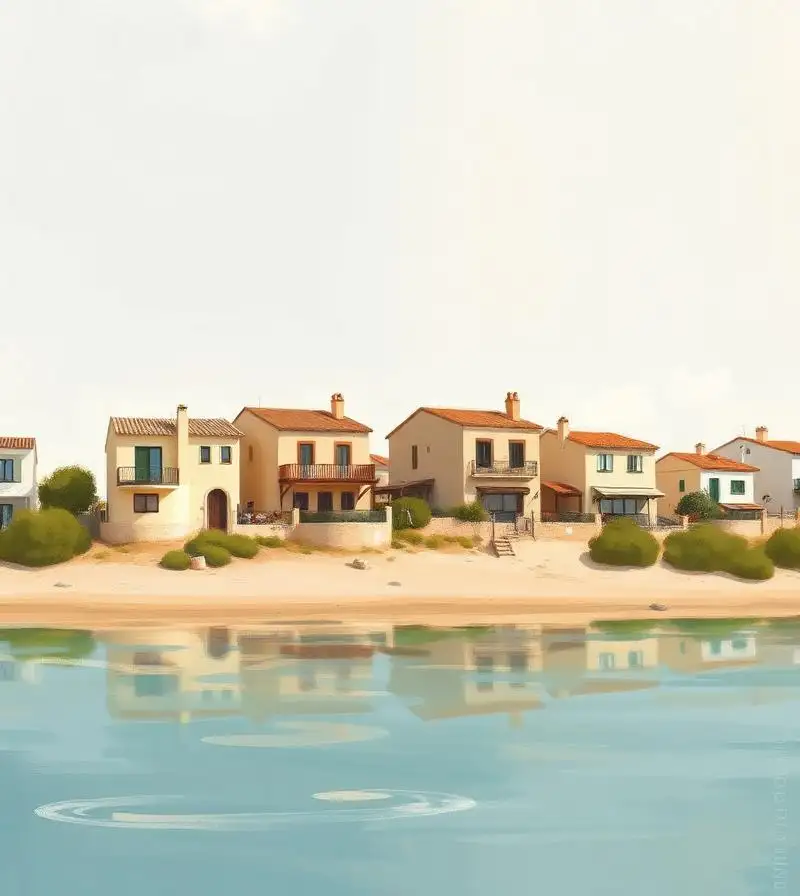
It is rising faster than the municipality over the year. It is also where the lagoon's documented environmental record matters most to a buyer.
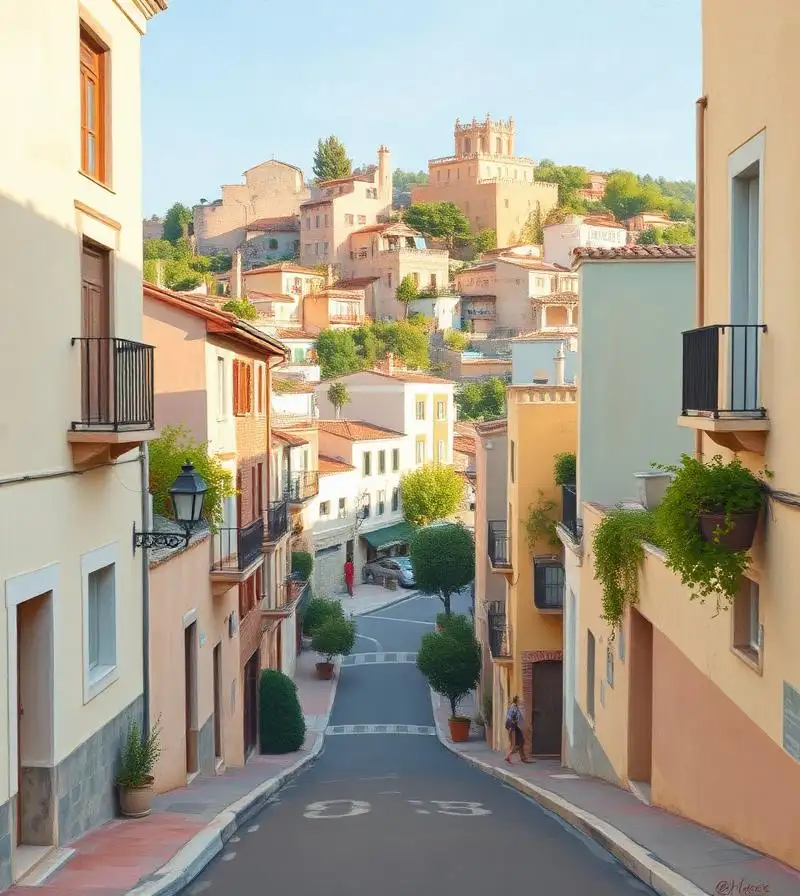
Annual movement fell.
It is priced below the municipal asking figure.
Honest answers to the questions buyers actually ask.
Transfer tax rates as of August 2026. Rates are set per autonomous community and do change. Confirm the current figures with a Spanish lawyer or tax adviser before you budget.
The pros and the cons of every town, with sourced data on prices, climate and costs.
Your property search, saved cities, mortgage calculator and a step-by-step buying guide, from your first search to getting the keys.
Local agents who speak your language, and owners selling their own home, contact you about homes that fit your search.
Agents and owners ask to connect first. Your contact details are only shared with the people you accept.
Our comprehensive guide covers everything foreign buyers need to know - from NIE numbers and residency permits to mortgages and legal requirements.
Use our free mortgage calculator to estimate monthly payments, compare loan scenarios and understand the true cost of buying in Spain.